
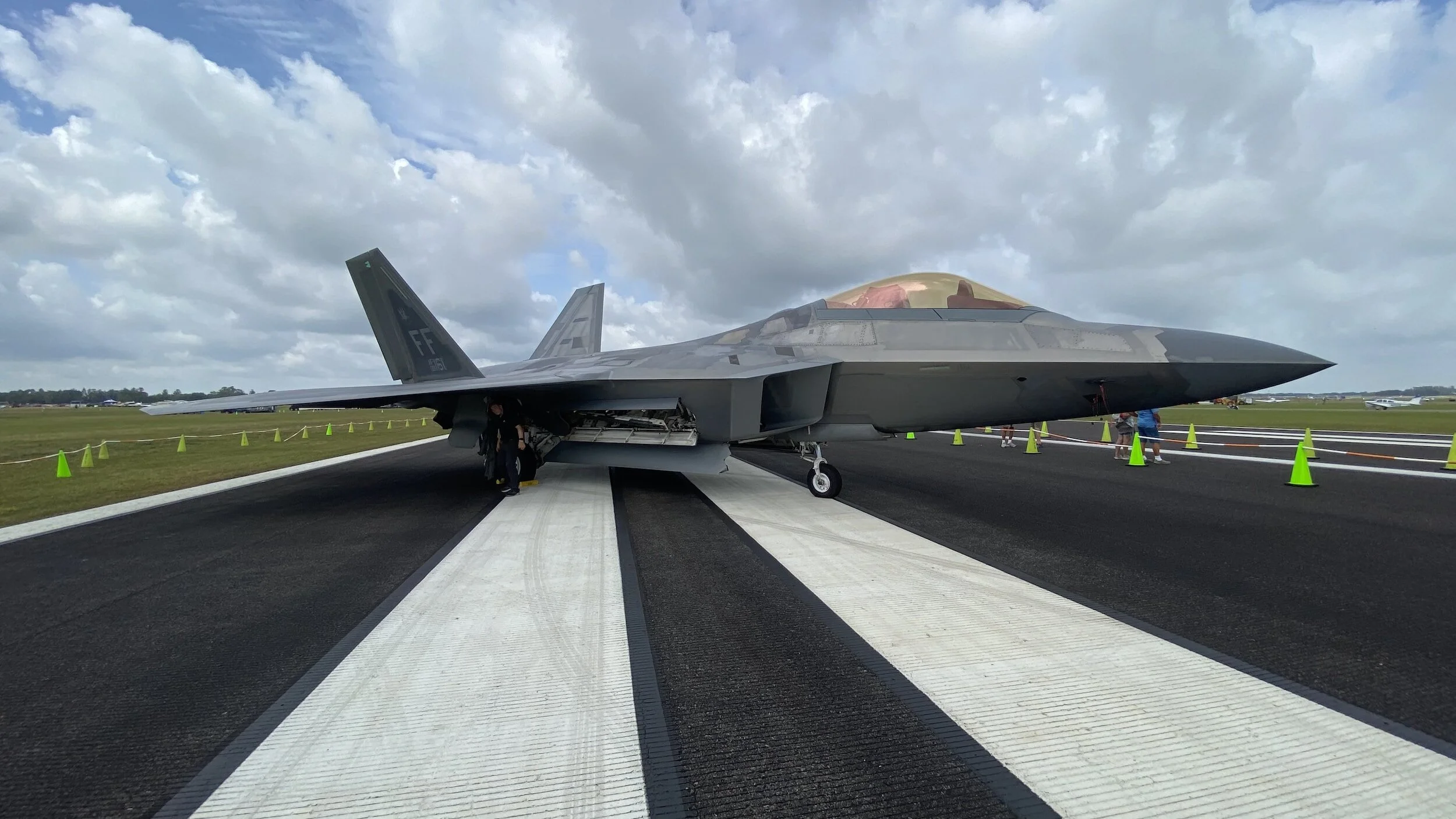
Laser Marking on military components involves using laser technology to engrave critical information such as part numbers, serial numbers, UID coding and identification codes of various materials. This is particularly important for compliance with specifications like Mil-Std-130, which governs the identification marking of U.S. military property. This process is vital for ensuring traceability, compliance with military standards, and enhancing the reliability of equipment. The benefits of laser marking in military applications include high durability, resistance to environmental factors, and the ability to mark on metals and polymers without compromising their structural integrity. Military equipment must sustain and endure under harsh conditions which makes Laser Engraving the preferred method to apply permanent marking to parts.


Military Laser Marking FAQs
1. What is Military Laser Marking and why is it required?
Military Laser Marking is the process of permanently engraving identification data directly onto weapons, components, gear, and electronic systems used by military personnel. The Department of Defense requires this type of marking because it creates long-lasting, trackable IDs that support asset control, field readiness, and lifecycle documentation. Since military equipment is exposed to harsh weather, chemical agents, and extreme temperatures, laser marking ensures information stays intact where labels or ink would quickly fail.
2. What materials can be marked using Military Laser Marking?
Military Laser Marking works on nearly all materials found in defense manufacturing: stainless steel, aluminum alloys, titanium, polymers, ceramics, and coated metals. A big reason the method is favored is that it produces high-contrast marks without weakening structural integrity. Whether it’s a titanium rifle component or a ruggedized plastic enclosure for comms equipment, the laser can adapt to the material without compromising performance in the field.
3. Does Military Laser Marking meet DoD or MIL-STD requirements?
Yes, Military Laser Marking is specifically engineered to meet standards like MIL-STD-130, which governs UID (Unique Identification) marking for DoD assets. The process supports compliant Data Matrix codes, serial numbers, barcodes, and human-readable characters. Proper contrast, permanence, and scan reliability are all essential parts of meeting these requirements, and the right equipment ensures every mark passes verification.
4. Will laser marking damage or weaken military components?
In most cases, no. Military Laser Marking is designed to produce shallow, precise surface marks without altering the mechanical properties of the component. Because the laser uses controlled heat and minimal penetration, it avoids microcracks or stress points that could compromise critical equipment. This is why it's widely used for marking weapons parts, avionics housings, and sensitive electronics.
5. What types of data can be encoded with Military Laser Marking?
The system can engrave a range of essential information:
UID labels and Data Matrix codes
Serial and batch numbers
NATO Stock Numbers (NSNs)
QR codes for logistics tracking
Unit or mission identifiers
Maintenance or inspection data
The flexibility of Military Laser Marking is key because different branches and programs often require different forms of traceability.