
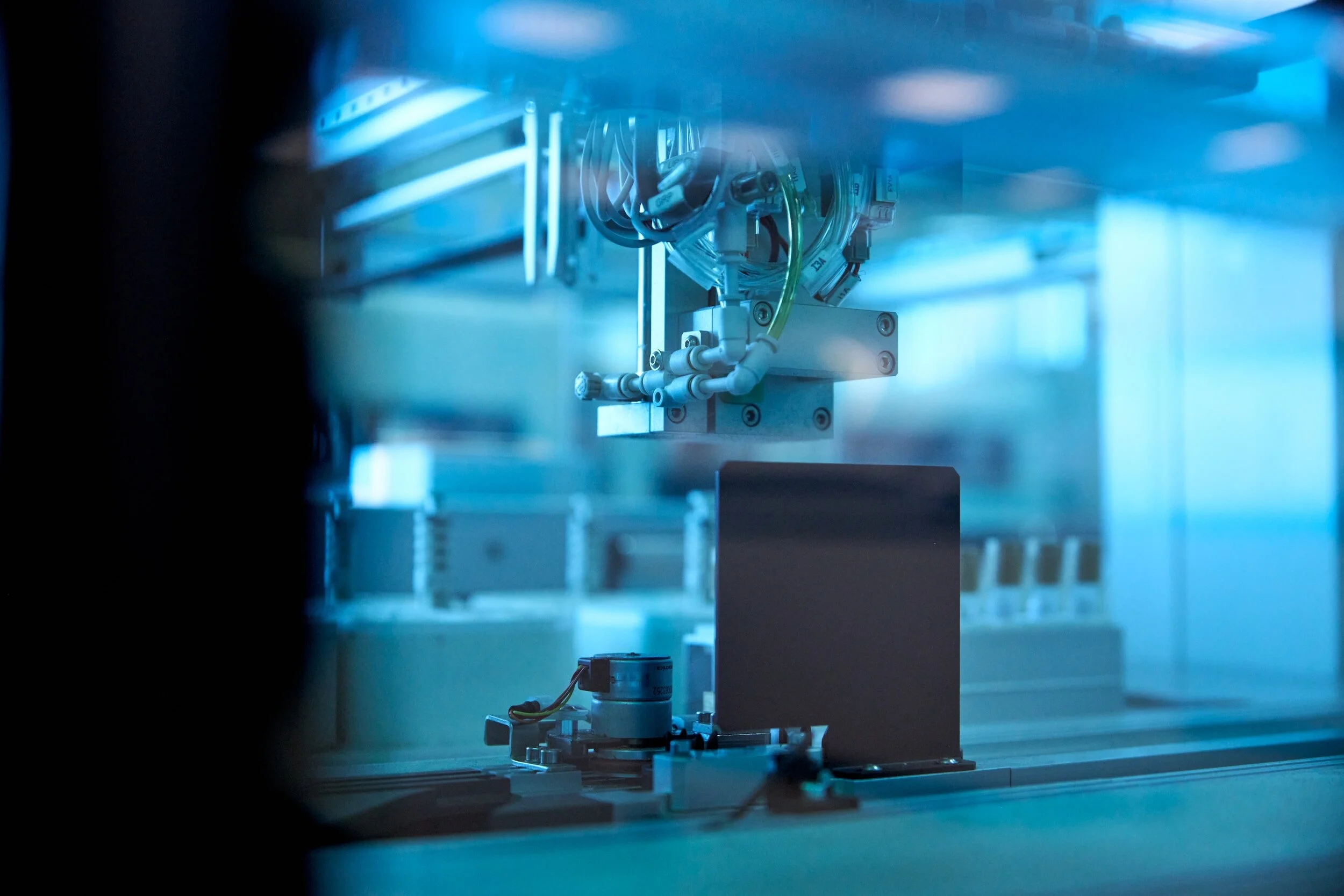
Medical laser device marking refers to the process of engraving or permanently marking medical devices with identifying text and/or images. Laser marking is a non-contact form of engraving and offers consistent high quality laser marks at high processing speeds while eliminating any potential damage or stress to the parts being marked. This can include serial numbers, barcodes, logos, and other unique device identifying marks. Laser medical device marking is an alternative to traditional medical device markings such as printing or stamping.
These device markers offer many benefits over traditional methods including faster marking speed, the ability to mark small or difficult to reach areas, and cleaner and more consistent marks. Additionally, laser marking medical devices provide high resolution marks, utmost accuracy, flexibility, and overall operational efficiency.


Medical Laser Marking FAQs
1. What is Medical Laser Marking and why is it essential for medical devices?
Medical Laser Marking is the process of creating permanent identification marks on surgical tools, implants, and diagnostic equipment. It’s essential because medical devices must meet strict traceability rules for safety, sterilization, and regulatory compliance. Since devices are frequently exposed to corrosion, harsh disinfectants, and repeated sterilization cycles, medical laser marking ensures that critical information stays readable for the entire lifespan of the instrument.
2. Does Medical Laser Marking meet FDA and UDI requirements?
Yes. Medical Laser Marking is widely used to comply with FDA UDI (Unique Device Identification) regulations and ISO 13485 quality standards. The process reliably produces permanent Data Matrix codes, serial numbers, lot numbers, and manufacturer IDs that pass verification tests. High contrast, long-term legibility, and resistance to degradation are key for maintaining compliance, and laser marking excels in all of these areas.
3. What materials can be used with Medical Laser Marking?
Medical Laser Marking is compatible with the most common materials in medical manufacturing, including:
Stainless steel surgical tools
Titanium implants
Cobalt-chrome components
Medical-grade plastics
Ceramic parts
Polymer-coated instruments
The laser creates marks without altering the device’s structural integrity, which is crucial for implants and precision tools.
4. Will Medical Laser Marking affect device performance or biocompatibility?
No. A properly controlled Medical Laser Marking system produces extremely shallow marks that do not compromise strength, tolerances, or biocompatibility. Unlike chemical etching, which can introduce contaminants, laser marking is clean and precise. It preserves smooth surfaces where needed and ensures no residue interferes with sterilization or patient safety.
5. What types of markings can be created on medical devices?
Medical Laser Marking supports a wide range of identification formats, such as:
UDI-compliant Data Matrix codes
Serial numbers and batch IDs
Manufacturer logos and branding
Size or calibration details
Reusable versus single-use indicators
QR codes for digital asset tracking
This versatility makes it the preferred method for hospitals, device manufacturers, and OEM suppliers who need reliable traceability.